On this page
- What counts as an escape of water claim?
- Burst pipe insurance: first steps before you claim
- How trace and access cover works
- Frozen pipe claims and common exclusions
- Home insurance water damage: evidence that helps your claim
- If the claim is disputed
- Need a plumber’s report for your claim?
- Frequently asked questions
Key takeaways
- Stop the water first, then make the property safe and record the damage with photos and video before you clear up.
- Escape of water cover is for the damage caused by the leak. The cost of fixing the pipe or appliance that failed is often treated separately or excluded.
- Trace and access cover pays to find a hidden leak, such as lifting floors or opening walls, and usually to make good afterwards, often up to a set limit.
- Common exclusions include gradual leaks, wear and tear, failed sealant around baths and showers, and damage while a property is unoccupied beyond the policy’s limits.
- A written report from your plumber saying what failed and why is one of the most useful documents in a claim.
An escape of water claim is an insurance claim for damage caused by water leaking from a fixed water or heating system, such as a burst pipe, a split tank, a failed fitting or a leaking boiler. Buildings insurance usually covers damage to the structure and fixtures, contents insurance covers your belongings, and trace and access cover, where included, pays to find a hidden leak and make good afterwards. The repair to the failed pipe itself is often not covered, and every policy has its own exclusions and excess, so read your wording before you start.
January thaws are when many burst pipes show themselves. Here is how the claim process works, what tends to be covered and excluded, and what a plumber’s report and your own records can do to help.
What counts as an escape of water claim?
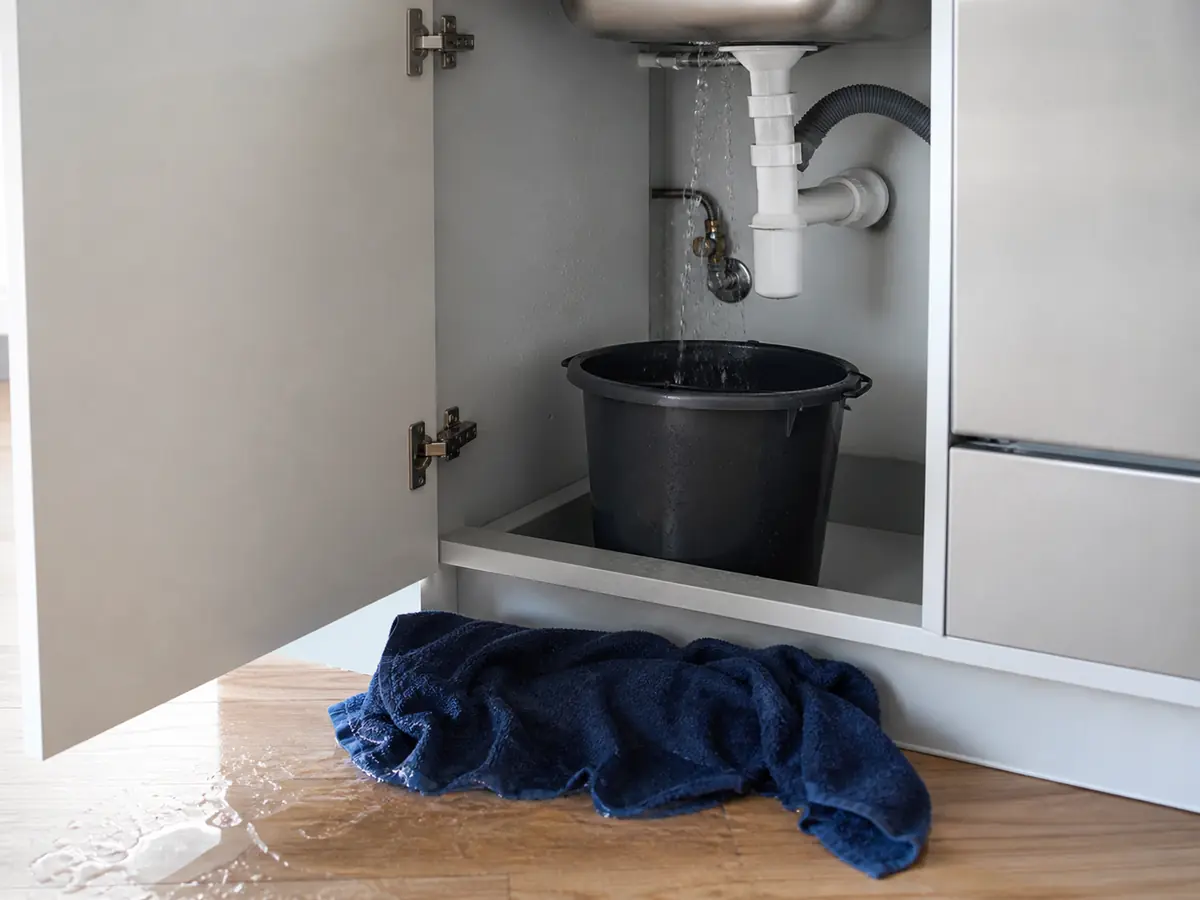
Escape of water is the insurance term for water that has escaped from a fixed system inside your home. Typical examples include:
- A pipe that froze and split, then leaked when it thawed.
- A leaking joint or fitting under a floor or behind a kitchen unit.
- A split loft tank or a failed hot water cylinder.
- A leak from a central heating pipe, radiator valve or boiler.
- A washing machine or dishwasher hose that bursts.
Water coming in from outside, such as a roof leak in heavy rain or rising floodwater, is usually dealt with under storm or flood sections of a policy instead, with different conditions.
Buildings, contents and the pipe itself
| What was damaged | Which cover usually applies |
|---|---|
| Ceilings, walls, floors, kitchen units, plaster, decoration | Buildings insurance |
| Carpets (varies by insurer), furniture, electrical goods, clothes | Contents insurance |
| Finding a hidden leak and making good the area opened up | Trace and access, if included |
| Repairing or replacing the failed pipe, valve, tank or appliance | Often excluded or limited; check your policy |
If you rent, your landlord’s buildings insurance covers the structure and your own contents policy covers your belongings. Tell your landlord or agent straight away.
Burst pipe insurance: first steps before you claim
Insurers expect you to take reasonable steps to limit the damage. Doing the right things in the first hour protects your claim as well as your home.
- Stop the water. Turn off the stopcock. Our guide to finding and testing your stopcock shows where it usually is.
- Make it safe. Keep away from electrics near the water and switch off at the consumer unit only if you can do so safely. Switch off the boiler and immersion heater.
- Call a plumber to repair the leak. Most policies allow you to arrange an emergency repair to stop further damage. Our burst pipe guide covers the immediate steps in more detail.
- Record everything before you clear up: photos and video of the leak, the failed pipe, ceilings, floors, furniture and any standing water.
- Keep damaged items where practical until the insurer says you can dispose of them.
- Contact your insurer as soon as you reasonably can. Many have a 24-hour claims line.
Water company advice points the same way. The South Staffs Water winter factsheet reminds households that pipes within the property boundary are the owner’s responsibility and suggests checking your home insurance covers emergency repairs before winter.
How trace and access cover works
Some leaks are obvious. Others show up only as a damp patch, a rising water bill or a boiler that keeps losing pressure. Finding them can mean lifting floorboards, removing tiles or opening a wall. Trace and access cover pays for that investigative work and, on many policies, for putting the area back afterwards.
- It is not on every policy. Some include it as standard, some as an add-on, and some only on buildings cover.
- There is usually a limit, a maximum amount per claim. Check the figure in your schedule.
- It is often only payable if there is damage from the escaped water. A leak that has not yet caused damage may not trigger it.
- Non-invasive leak detection such as thermal imaging, acoustic detection or pressure testing can reduce how much has to be opened up.
If you suspect a hidden leak, our guide to the signs of a hidden water leak explains what to look for, and why it is worth acting early.
Frozen pipe claims and common exclusions
Frozen pipe damage is a classic winter claim, but it is also where policy conditions matter most. Exclusions and conditions vary, but these come up often:
| Exclusion or condition | What it means in practice |
|---|---|
| Wear and tear or gradual deterioration | A pipe that has corroded or leaked slowly over months may not be covered |
| Failed sealant or grout | Leaks around baths and shower trays from failed seals are commonly excluded |
| Unoccupied property | Policies often limit cover if the home is left empty beyond a set number of days, or require heating or draining down |
| Reasonable precautions | Insurers may expect you to keep the home heated or protected in freezing weather |
| Escape of water excess | Some policies have a separate excess for escape of water claims |
| Poor workmanship | Damage from faulty DIY or unqualified work may be disputed |
This is why frost protection matters for second homes and empty rentals. Our advice on protecting pipes from freezing and leaving heating on low covers the practical side.
Home insurance water damage: evidence that helps your claim
Insurers and loss adjusters want to know three things: what failed, why it failed, and what damage it caused. You can help them answer all three.
- Plumber’s report. Ask your plumber for a short written report saying where the leak was, what failed (for example, a split pipe from freezing or a failed compression joint), what was repaired and the date.
- Keep the failed part. A split section of pipe or a failed valve is strong evidence.
- Photos and video from before, during and after the repair.
- Receipts for emergency repair work, dehumidifier hire and any temporary accommodation.
- A list of damaged items, with ages and receipts where you have them.
- Timeline. When you noticed the leak, when you turned the water off, and who you called.
If the leak involved the boiler or heating system, an engineer’s report is equally useful. Damage from a leaking boiler is a common reason households find the boiler itself is not covered by buildings insurance. Our guide on whether home insurance covers boiler breakdown explains the difference between breakdown cover and damage cover.
If the claim is disputed
If your insurer declines or reduces the claim, ask for the reasons in writing and the policy wording they are relying on. Compare that with your schedule and your plumber’s report. If you remain unhappy after the insurer’s final response, you can take the complaint to the Financial Ombudsman Service, which is free to use. A clear record of what failed and what you did to limit the damage is your best support.
Need a plumber’s report for your claim?
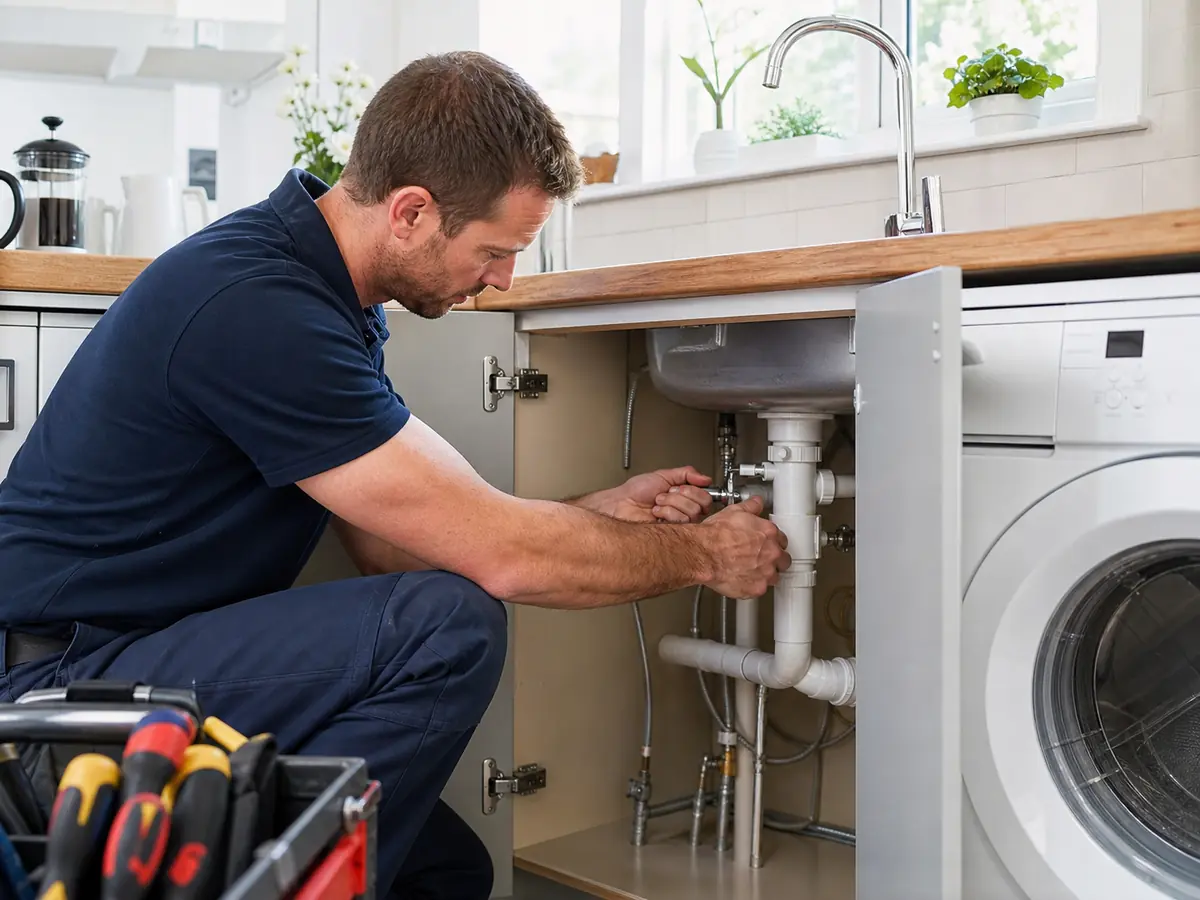
If you have a burst or leaking pipe, our team can stop the leak, repair the pipework and provide a written report on what failed for your insurer. We cover Stoke-on-Trent, Newcastle-under-Lyme, Kidsgrove and the surrounding Staffordshire and Cheshire towns. For an active leak call our emergency plumber in Stoke-on-Trent, or contact Gasmaster to book a visit.
[googlesitekit-end-of-content]
Frequently asked questions
Does home insurance cover a burst pipe?
Most buildings and contents policies cover damage caused by water escaping from a burst pipe, subject to the excess and exclusions. The repair to the pipe itself is often not covered. Cover can be limited if the property was empty for longer than the policy allows or if reasonable precautions against freezing were not taken.
What is trace and access cover?
Trace and access cover pays for finding the source of a hidden leak, such as lifting floors, removing tiles or opening walls, and often for making good afterwards. It is usually subject to a maximum amount per claim and may only apply when the escaped water has caused damage. Check whether your policy includes it.
Should I get the burst pipe fixed before the insurer visits?
Yes, you should stop the water and arrange an emergency repair to prevent further damage. Insurers expect you to limit the loss. Photograph everything first, keep the failed section of pipe, and get a written report from your plumber. Avoid major reinstatement work, such as replastering, until the insurer agrees.
Will an escape of water claim increase my premium?
It may. Insurers set premiums using claims history, and an escape of water claim is recorded like any other claim. For small amounts close to your excess, some people choose not to claim. Weigh up the likely repair cost, your excess and any no claims discount before deciding.
Is a slow leak covered by insurance?
Often not. Many policies exclude damage from gradual leaks or wear and tear, such as a joint that has dripped for months or failed sealant around a shower. The damage caused may sometimes be considered if the leak was hidden and could not reasonably have been noticed. Policy wording decides this, so check yours.
Related services

Abdul runs Gasmaster Plumbing & Heating and has worked on boilers, heating and gas appliances across Stoke-on-Trent since 2005. He is Gas Safe registered (reg. 220932), and these articles come from his day to day work in homes and businesses across Staffordshire, Cheshire and Derbyshire.