On this page
- Which pipes are most at risk of freezing?
- How do I lag pipes properly?
- What should I do with outside taps?
- Will my boiler's frost setting protect my pipes?
- What should I do if a pipe freezes?
- What should I do if a pipe bursts?
- Getting ready for winter in Stoke-on-Trent and Derbyshire
- Frequently asked questions
Quick answer
To protect pipes from freezing, lag any pipes in lofts, garages, under floors and on outside walls, isolate and drain outside taps, and keep the heating on a low or frost setting during cold spells, even when you are away. Know where your stopcock is so you can shut off the water fast if a pipe bursts.
Key takeaways
- Lag every pipe in unheated spaces, including joints and bends.
- Isolate and drain outside taps before the first frost.
- Boiler frost protection guards the boiler, not the whole house.
- Never thaw a pipe with a naked flame; warm it gently from the tap end.
Water expands as it freezes, and a pipe full of ice has nowhere to give. It may split while frozen, but the damage often only shows when the ice melts and water starts pouring from a crack in the loft or behind a kitchen unit. The late summer weeks are the ideal time to deal with the weak spots, because every job on this list is easier in dry, mild weather.
Which pipes are most at risk of freezing?
The pipes most likely to freeze are the ones in unheated spaces or against cold outside walls: the loft, garage, outbuildings, under suspended floors, cellars and any run along an external wall. Pipes near air bricks, vents or gaps where cold air gets in are especially vulnerable, as are outside taps.
Older homes around Stoke-on-Trent often have pipework in exactly these places: cold water tanks and feed pipes in the loft, pipes running under suspended timber floors, and kitchen pipes on solid external walls. Extensions and converted garages can also hide pipes in spaces that never get properly warm.
| Location | Why it is at risk | How to protect it |
|---|---|---|
| Loft pipes and cold water tank | Above the insulation, so no heat reaches them | Lag pipes, insulate the tank top and sides, fit a lid |
| Garage and outbuildings | Unheated and often draughty | Lag pipes fully; fit isolating valves so they can be drained |
| Under suspended floors | Cold air flows through the void | Lag accessible pipes; never block the air bricks |
| Outside taps | Fully exposed | Isolate, drain and fit an insulated cover |
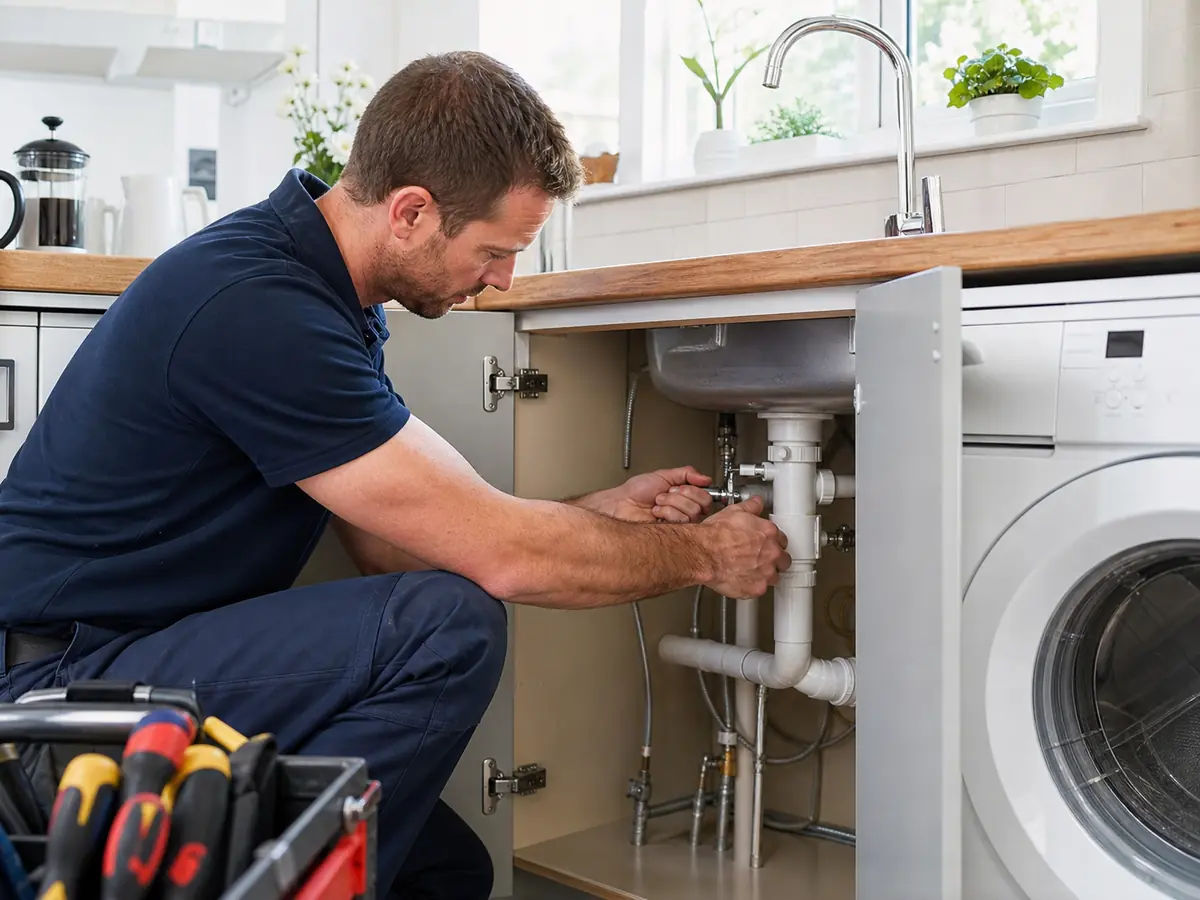
| Kitchen pipes on outside walls | Cupboard stays cold | Lag pipes; open cupboard doors in a hard frost |
| Boiler condensate pipe | Small bore, runs outside | Weatherproof insulation; upsizing if needed |
How do I lag pipes properly?
Use foam pipe insulation that matches the diameter of the pipe, available cheaply from any builders merchant or DIY store. Cover the full length of every exposed pipe, cut it neatly around bends and tees, and tape the joints so there are no gaps. A single bare section is where a pipe freezes, so thorough coverage matters more than thickness.
A few details make the difference:
- Do not forget valves, bends and the short sections where pipes pass through walls or joists.
- In the loft, leave the loft insulation out from directly beneath the cold water tank so warmth from below can reach it, but insulate the tank's top and sides.
- Fix any dripping taps and overflows first. A steady drip into an outside waste or overflow pipe can freeze and block it.
- Use weatherproof insulation for anything outside, as ordinary foam breaks down in sunlight and rain.
What should I do with outside taps?
Turn off the outside tap at its internal isolating valve, usually on the pipe just inside the wall, then open the outside tap to drain the water left in it. Leave it open while the valve is off, and fit an insulated tap cover. If your outside tap has no isolating valve, it is worth having one fitted before winter.
Also disconnect hoses. A hose left attached traps water in the tap and fills with ice itself.
Will my boiler's frost setting protect my pipes?
Only partly. Most boilers have built-in frost protection that fires the boiler if its own water temperature drops close to freezing. That protects the boiler and the pipes right next to it, not the pipework in your loft, garage or under the floor. For the house as a whole, a low room thermostat setting in cold weather does a better job.
If your room thermostat has a frost or holiday mode, use it when you go away in winter, or set it to a low temperature rather than turning the heating off. For longer absences in very cold weather, some people also turn off the water at the stopcock and drain the cold taps, which limits the damage if a pipe does fail. Make sure the boiler is serviced and working before you rely on it to protect the house while you are away.
Tip: Before a forecast hard frost, open the loft hatch and the cupboard doors under sinks on outside walls. It lets warm air reach pipes that otherwise sit in cold, closed spaces.
What should I do if a pipe freezes?
If a tap produces no water in freezing weather, a pipe feeding it has probably frozen. Turn off the water at the stopcock, open the affected tap and warm the pipe gently, starting nearest the tap and working back, using a hot water bottle or towels soaked in warm water. Never use a blowtorch or any naked flame, and check the pipe for splits as it thaws.
Knowing where your stopcock is and that it turns is essential here. If you have not checked it yet, our guide on how to find and test your stopcock takes ten minutes to follow.
What should I do if a pipe bursts?
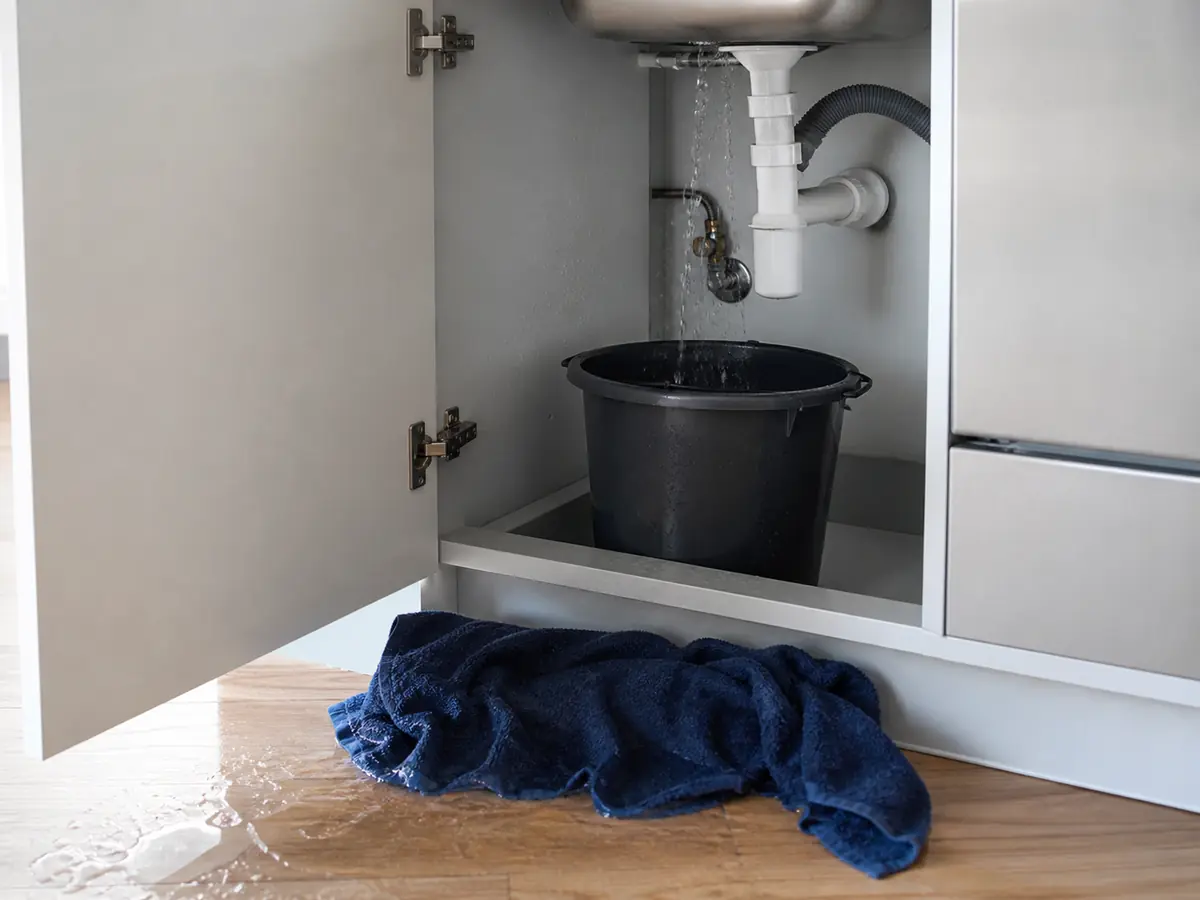
Turn off the water at the stopcock immediately, then open all the cold taps to drain the system. Switch off the boiler and any water heating. If water is near electrical fittings or coming through a ceiling light, do not touch them; switch off at the consumer unit only if it is dry and safe to reach. Move valuables, catch what water you can and call a plumber.
Take photos of the damage for your insurer, and keep receipts for any emergency repairs. The Consumer Council for Water explains who is responsible for which pipes if the leak is on the supply pipe outside. Our emergency plumbing guide goes into more detail on burst pipes and leaks.
If the heating has failed during a freeze, see our advice on what to do if your boiler breaks down in winter, which covers keeping the house and pipes warm while you wait.
Getting ready for winter in Stoke-on-Trent and Derbyshire
If you have pipes you cannot reach, an outside tap without an isolating valve, or a stopcock that will not turn, get them sorted while the weather is mild. And if a pipe does burst this winter, our emergency plumber in Stoke-on-Trent can help once the water is off. Call 07896 677083.
We work across Staffordshire and into Derbyshire, where the higher ground sees harder frosts, and can check your boiler at the same time, with boiler service in Matlock and boiler service in Belper among the areas we cover.
Frequently asked questions
At what temperature do pipes freeze?
Water freezes at 0 degrees C, but pipes in sheltered or insulated spaces usually need a longer or harder frost before they freeze solid. Exposed pipes in lofts, garages and outside walls are the first to go during a cold night.
Should I leave a tap dripping to stop pipes freezing?
It is not a reliable fix in UK homes. A drip can freeze in the waste pipe and cause its own blockage, and it wastes water. Lagging, a low heating setting and draining outside taps are more effective.
Does home insurance cover burst pipes?
Many buildings and contents policies cover escape of water, but terms vary, particularly if a property was left unheated or empty for long periods. Check your policy wording before winter so you know what is expected of you.
Can a frozen pipe fix itself when it thaws?
Sometimes the pipe is undamaged and water flows normally again. But a split can stay sealed by ice and only leak once it thaws, so check the pipe carefully and keep an eye on it for the next few hours.
Sources and further reading

Gasmaster Plumbing & Heating has served Stoke-on-Trent since 2005. Every article is written by our Gas Safe registered engineers (reg. 220932) from day to day work on boilers, heating and gas appliances across Staffordshire, Cheshire and Derbyshire.