On this page
- What Is Boiler Pressure and Why Does It Matter?
- Common Causes of Boiler Pressure Loss
- The Risks of Ignoring Boiler Pressure Issues
- Troubleshooting Tips for Boiler Pressure Loss
- Why Choose Gasmaster for Boiler Repairs?
- When to Call a Professional
- Preventing Boiler Pressure Loss in the Future
- Solve Boiler Pressure Problems with Confidence
- FAQs
This guide will walk you through understanding why boilers lose pressure, the potential risks of leaving these issues unresolved, troubleshooting tips, and how Gasmaster can help you solve the problem quickly and professionally.
What Is Boiler Pressure and Why Does It Matter?
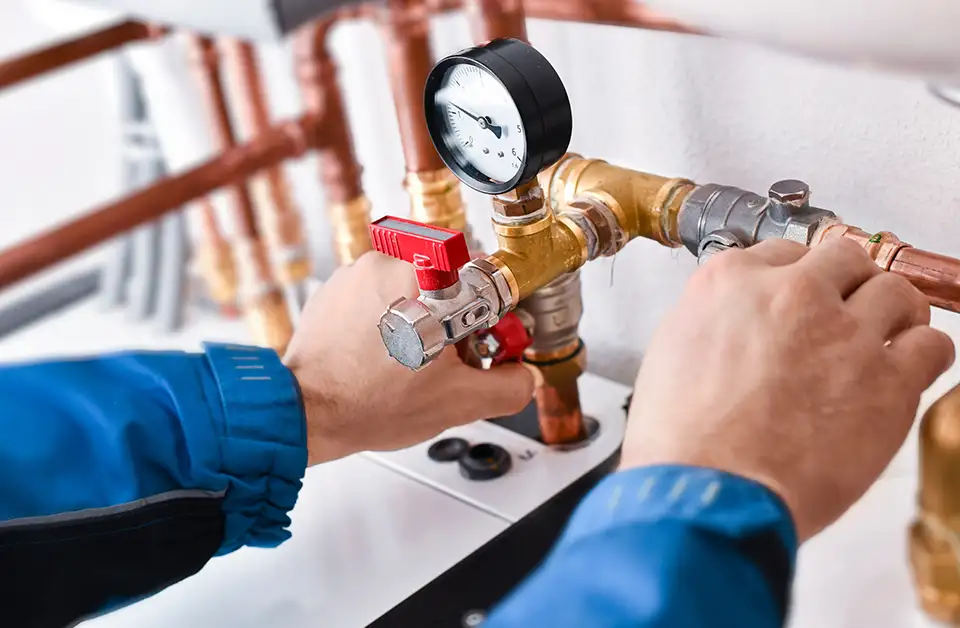
Boiler pressure refers to the amount of water pressure inside your boiler, which allows it to push heat through your pipes and radiators. The pressure is crucial for maintaining a balanced and efficient central heating system.
Most boilers should operate with a pressure between 1 and 1.5 bar when the system is cool, which is usually indicated on the pressure gauge. If the pressure drops below this range, it can lead to poor heating performance, damage to the boiler, and even complete system shutdowns.
Common Causes of Boiler Pressure Loss
There are several reasons why your boiler may lose pressure. Here are the most common ones:
- Leaks in the System
Small leaks in your radiators, pipes, or the boiler itself are a frequent cause of pressure loss. Leaks are often subtle and may go unnoticed until they result in noticeable pressure drops.
Signs of leaks include:
- Damp patches or water stains near pipes or radiators
- Dripping around the boiler unit
- Unexplained puddles or moisture areas
- Expansion Vessel Issues
The expansion vessel helps regulate pressure as water heats and expands. If this component is overfilled, damaged, or not functioning correctly, it can cause unwanted pressure loss.
- Bleeding Radiators
Bleeding your radiators releases trapped air, which improves their efficiency. However, this process can unintentionally lower your boiler pressure if water is released along with the air.
- Faulty Pressure Relief Valve
The pressure relief valve is designed to release excess pressure for safety purposes. If it malfunctions or wears out, it may release pressure even when it isn’t necessary.
- Recent System Repairs or Maintenance
After a repair or maintenance session, air pockets can form in the system. This temporary issue is a common cause of initial pressure drops and often resolves itself after a repressurization.
The Risks of Ignoring Boiler Pressure Issues
Low boiler pressure may seem like an inconvenience, but ignoring it could lead to several risks, including:
System Inefficiency
Your heating system will likely struggle to deliver adequate performance, resulting in higher energy bills and lukewarm radiators.
Potential Damage to Boiler Components
Unresolved pressure issues can strain internal components in your boiler, potentially leading to expensive repairs over time.
Safety Concerns
Some modern boilers have safety shut-off mechanisms to prevent accidents caused by pressure imbalances. However, ignoring long-term pressure issues might cause overheating, leaks, or damage that compromises the safety of your system.
Troubleshooting Tips for Boiler Pressure Loss
While some boiler pressure issues require professional attention, there are steps you can take to troubleshoot the problem safely:
Step 1: Check the Pressure Gauge
Locate the pressure gauge on your boiler and note the current reading. If the pressure is below 1 bar, the issue likely needs addressing.
Step 2: Inspect for Visible Leaks
Examine the boiler, pipes, and radiators for signs of leaks. Tighten loose connections if you spot dripping water, and monitor damp areas.
Step 3: Repressurize the Boiler
Use the filling loop on your boiler to gradually add water back into the system. Be careful not to exceed 1.5 bar, and always follow your boiler’s manual for specific guidance.
Step 4: Bleed Radiators, Then Recheck Pressure
Carefully bleed radiators to release trapped air. Afterwards, check if the pressure has stabilized.
Step 5: Monitor the Pressure
After taking necessary steps, monitor the pressure level over several days. Persistent drops may indicate an underlying issue that needs professional help.
Note: If you’re unsure or hesitant about any of these steps, contact a professional right away to avoid causing more damage or compromising safety.
Why Choose Gasmaster for Boiler Repairs?
When your boiler issues escalate beyond the usual troubleshooting steps, it’s essential to have a trusted repair company. Gasmaster has been fixing boilers for over 15 years and is the go-to choice for homeowners across the region. Here’s why:
Expertise You Can Trust
Our engineers are highly trained and certified, with detailed knowledge of all major boiler types and models.
Fast and Reliable Service
We pride ourselves on quick response times and efficient solutions to get your heating system back up and running as soon as possible.
Local Knowledge
With years of experience servicing UK homes, we understand the most common boiler problems that arise in our region, which means faster diagnosis and repair.
Customer-Centric Approach
Our clear communication, competitive pricing, and dedication to customer satisfaction make us a favorite choice among homeowners and landlords alike.
Emergency Repairs
Heating emergencies don’t have to leave you in the cold. We offer urgent repair services to ensure your home remains comfortable, no matter the weather.
Warranties and Guarantees
You can rest easy knowing that our repair services come with warranties and full transparency—no hidden fees, no surprises.
Contact us today to diagnose your boiler or schedule maintenance. We’re here to help!
When to Call a Professional
While DIY troubleshooting can often fix minor issues, there are cases where professional assistance is essential, such as:
- Persistent pressure loss despite repressurization
- Complex repairs involving internal boiler components like the expansion vessel
- Visible damage to boiler parts, such as the pressure relief valve
Don’t hesitate to call Gasmaster for fast, expert service when you’re dealing with problems beyond your expertise.
Preventing Boiler Pressure Loss in the Future
Avoiding pressure issues doesn’t have to be complicated. Use these proactive maintenance steps:
- Regular Servicing: Schedule an annual boiler service with professionals to catch early signs of wear and tear.
- Inspect for Leaks: Periodically check pipes and radiators for damp spots or drips.
- Monitor Pressure: Make it a habit to glance at the pressure gauge every few weeks, especially in peak usage seasons.
- Trusted Repairs: Only rely on certified professionals like Gasmaster for any repair work to ensure long-term system health.
Solve Boiler Pressure Problems with Confidence
Boiler pressure loss is common, but taking early action can prevent bigger issues and save you money in the long run. Whether you’re troubleshooting minor pressure drops or need professional repair services, addressing the problem promptly is key.
If your boiler keeps losing pressure, don’t wait—contact Gasmaster today for expert advice and reliable repairs. Call us now or book an appointment online to get your heating system back to full health.
FAQs
Can I fix boiler pressure loss myself?
Yes, you can try simple steps like repressurizing the system or checking for leaks. However, recurring or complex issues are best handled by a professional.
How do I check my boiler for leaks?
Inspect the area around your boiler, pipes, and radiators for damp spots, dripping water, or puddles. Tighten connections if needed, but contact an engineer for persistent leaks.
What should the correct boiler pressure be?
Most boilers operate between 1 and 1.5 bar. Refer to your boiler’s manual for specific guidelines.
Related services

Abdul runs Gasmaster Plumbing & Heating and has worked on boilers, heating and gas appliances across Stoke-on-Trent since 2005. He is Gas Safe registered (reg. 220932), and these articles come from his day to day work in homes and businesses across Staffordshire, Cheshire and Derbyshire.