On this page
Quick answer
Care homes and supported living settings are treated as commercial or multi-occupancy premises for gas safety purposes, meaning the operator carries formal duties around annual gas safety checks, appliance maintenance, and record keeping, generally similar in principle to landlord obligations but often with additional considerations given the vulnerability of residents and the scale of the premises. Anyone operating this kind of setting should ensure gas safety checks are current, records are properly kept, and any concerns about appliances are addressed promptly by a Gas Safe registered engineer.
Key takeaways
- Care homes and supported living premises fall under commercial and multi-occupancy gas safety duties, generally comparable to landlord obligations but scaled to the size and nature of the premises.
- Annual gas safety checks by a Gas Safe registered engineer, with proper certification and record keeping, are a baseline requirement.
- Resident vulnerability, including reduced mobility and increased susceptibility to carbon monoxide poisoning symptoms going unnoticed, raises the practical stakes beyond the legal minimum.
- Larger or more complex premises may have multiple boilers, communal heating systems, or catering gas appliances, each of which needs to be accounted for.
- Staff awareness of basic gas safety signs, alongside proper technical checks, adds a useful additional layer of protection in a care setting.
Operating a care home or supported living service comes with a long list of regulatory responsibilities, and gas safety is one that sits alongside fire safety and other building compliance duties as a genuinely serious, non-negotiable part of running this kind of premises safely.
Why care settings carry particular weight
Gas safety failures carry heightened risk in any occupied building, but care homes and supported living settings raise the stakes further because residents may have reduced mobility, making evacuation slower in an emergency, and because some conditions can make the early symptoms of carbon monoxide poisoning, headache, nausea, confusion, harder to recognise or communicate, particularly in residents living with dementia or significant cognitive impairment. This does not change the underlying legal framework, but it does make thorough, proactive gas safety management a genuinely important operational priority rather than a background compliance task.
The compliance baseline
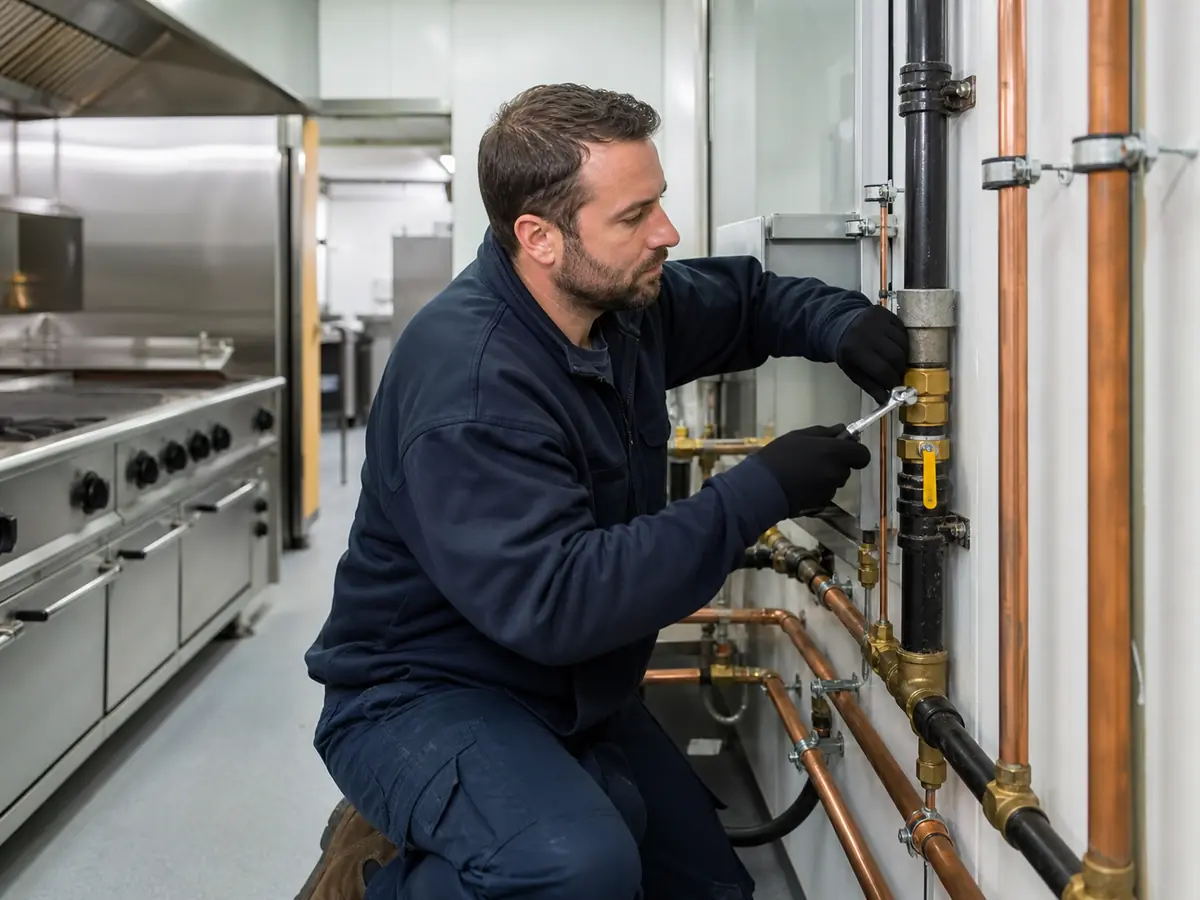
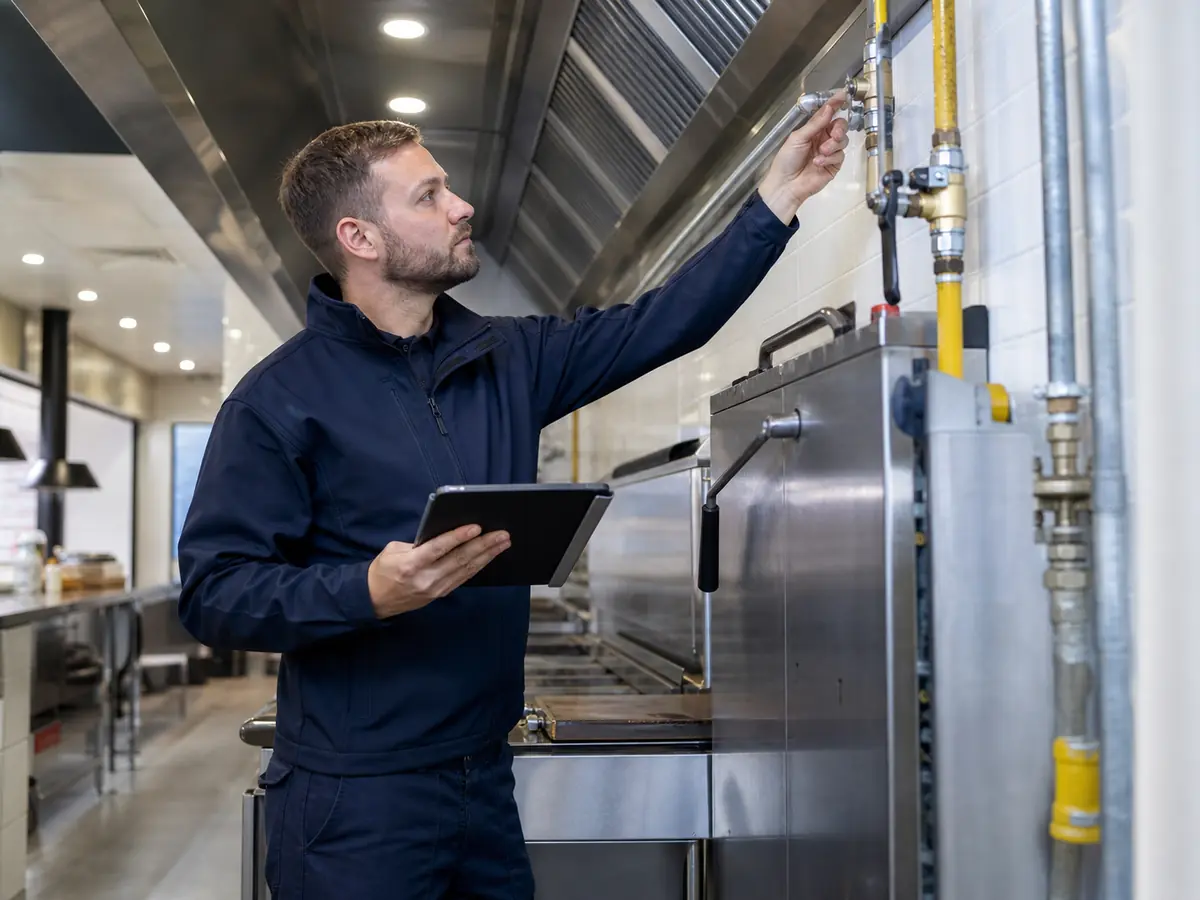
Care homes and supported living premises are generally treated under commercial or multi-occupancy gas safety duties, which in practice means an annual gas safety check on every gas appliance and flue on the premises by a Gas Safe registered engineer, proper certification issued and retained, and a clear record-keeping system that can be produced on request by a regulator, insurer, or inspector. Where a setting has multiple flats, units, or a communal heating system serving several areas, each component of that system needs to be accounted for in the checking regime, not just a single central boiler.
Beyond the annual check
A single annual check is the legal baseline, not necessarily the full picture of good practice in a care setting. Many operators build in more frequent servicing for heavily used appliances, ensure staff have basic awareness of warning signs such as unusual smells, pilot lights burning yellow rather than blue, or sooting around appliances, and maintain working carbon monoxide detectors throughout the premises as a genuinely important additional safeguard, particularly in sleeping areas and any room with a gas appliance. None of this replaces a proper professional check, but it adds a practical layer of everyday vigilance in a setting where the consequences of a missed fault are more serious than average.
Catering and communal appliances
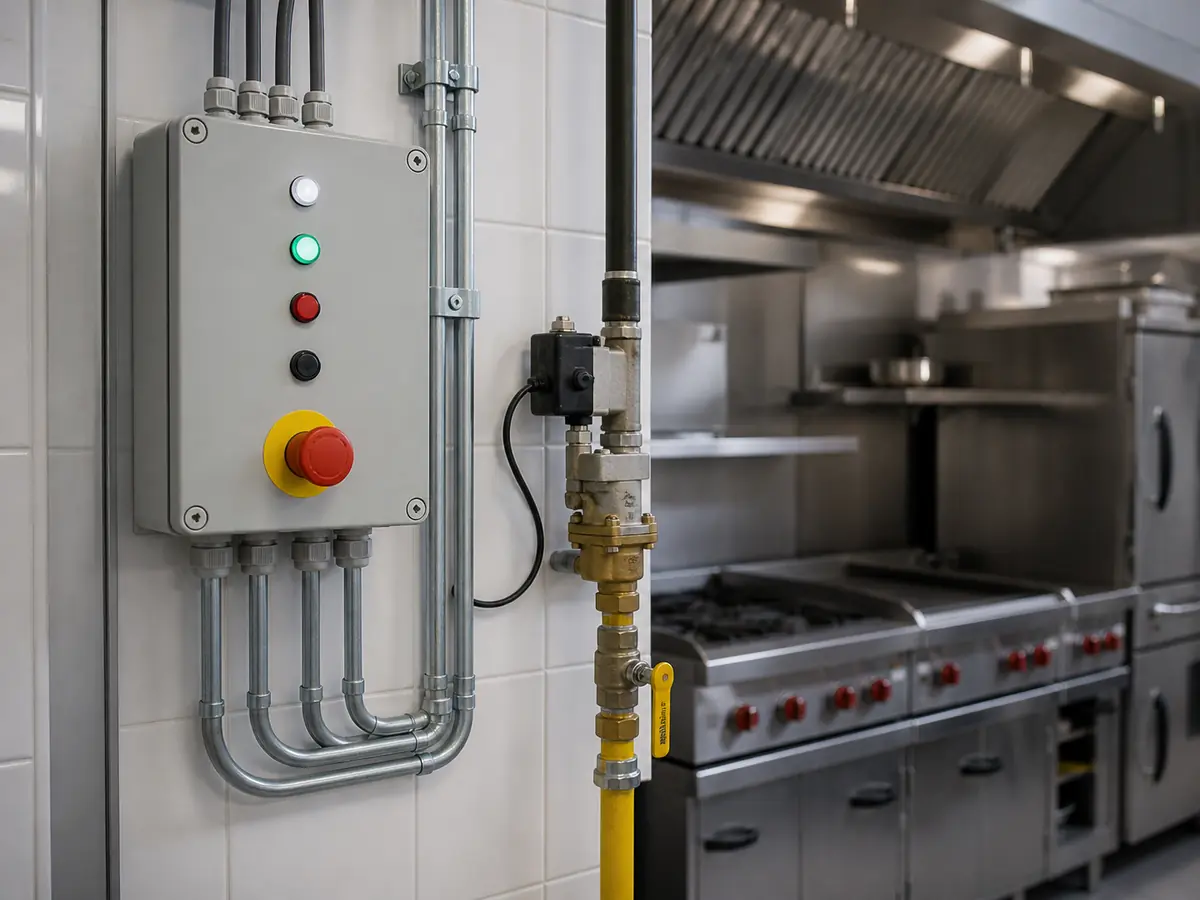
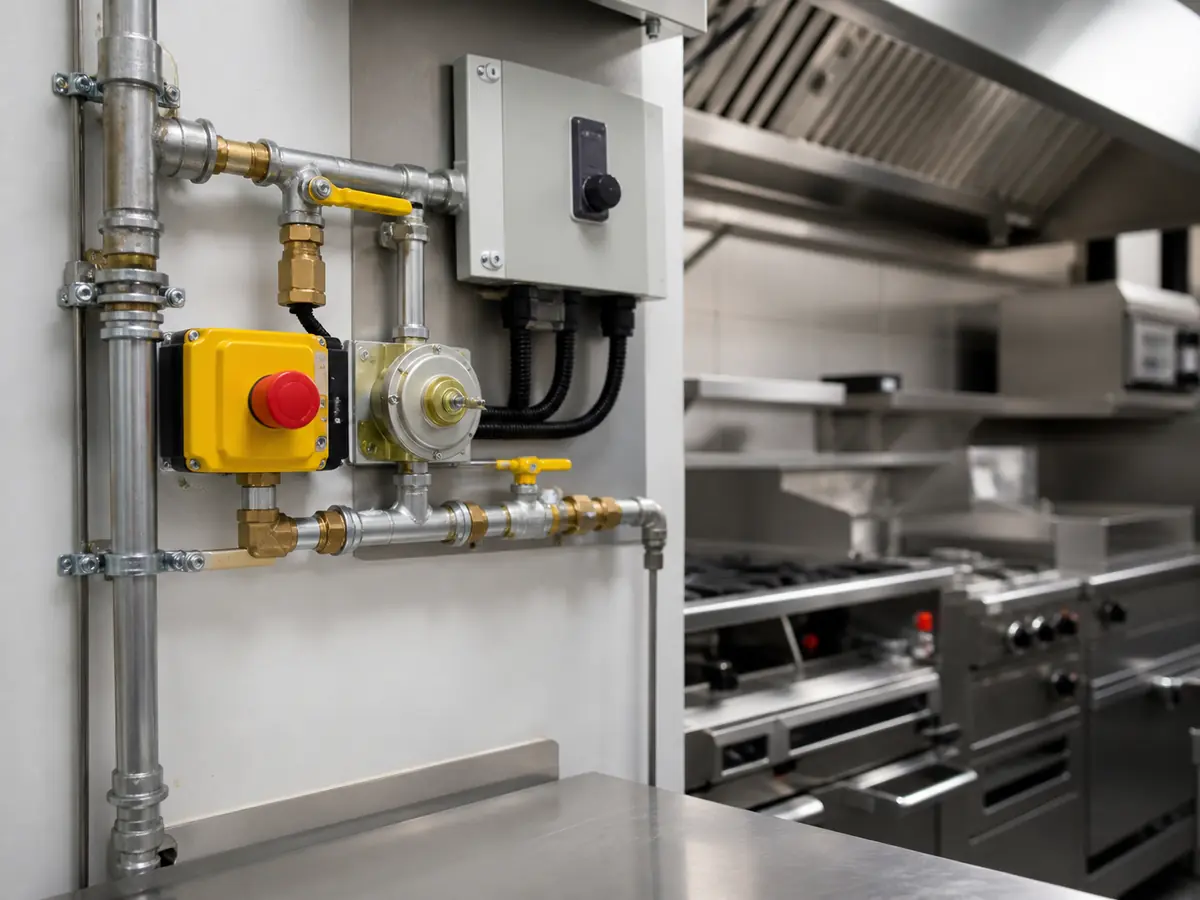
Larger care homes often have catering-scale gas appliances in kitchens, and possibly communal laundry equipment, in addition to heating and hot water systems, each of which falls under the same gas safety framework and needs to be included in the annual check and any commercial gas safety documentation the premises holds. This is an area where it is worth being explicit with your engineer about every appliance on site, since a check that misses a kitchen appliance because it was assumed to be covered elsewhere is a genuine and avoidable gap.
Book with Gasmaster
Operating a care home or supported living service and need gas safety checks arranged or reviewed? Gasmaster Plumbing & Heating provides commercial gas safety services across Stoke-on-Trent, Newcastle-under-Lyme and Stafford. Get in touch through our gas engineers Stoke-on-Trent page.
Frequently asked questions
Do care homes need the same certificate as a rented property?
Care homes and supported living settings generally fall under a similar annual gas safety check framework to rented and multi-occupancy premises, though the specific documentation and scope should be discussed with a qualified engineer familiar with commercial and care settings.
How often should gas appliances in a care home be checked?
An annual check by a Gas Safe registered engineer is the standard baseline; many operators choose more frequent servicing for heavily used appliances, particularly in larger settings.
Should care homes have carbon monoxide detectors?
Yes, working carbon monoxide detectors are a sensible and increasingly standard precaution in any premises with gas appliances, particularly important in a care setting given reduced ability among some residents to recognise or communicate early warning symptoms.
What happens if a fault is found during a check?
A qualified engineer will advise on the appropriate action, which may range from a straightforward repair to taking an appliance out of use until it is fixed, depending on the severity of the fault found.
Who is responsible for arranging gas safety checks in a care home?
Responsibility generally sits with the operator or landlord of the premises, similar in principle to other commercial and multi-occupancy settings, though the specific arrangement can vary by ownership and management structure.
Sources
- Health and Safety Executive, gas safety in commercial and care settings
- Gas Safe Register (gassaferegister.co.uk)
- Care Quality Commission, premises safety guidance
Related services

Abdul runs Gasmaster Plumbing & Heating and has worked on boilers, heating and gas appliances across Stoke-on-Trent since 2005. He is Gas Safe registered (reg. 220932), and these articles come from his day to day work in homes and businesses across Staffordshire, Cheshire and Derbyshire.