This guide will break it all down for you—from understanding the ban itself to exploring alternative heating systems, financial considerations, and how to prepare your home for the future.
Understanding the Gas Boiler Ban coming in the UK
What Does the Ban Actually Mean?
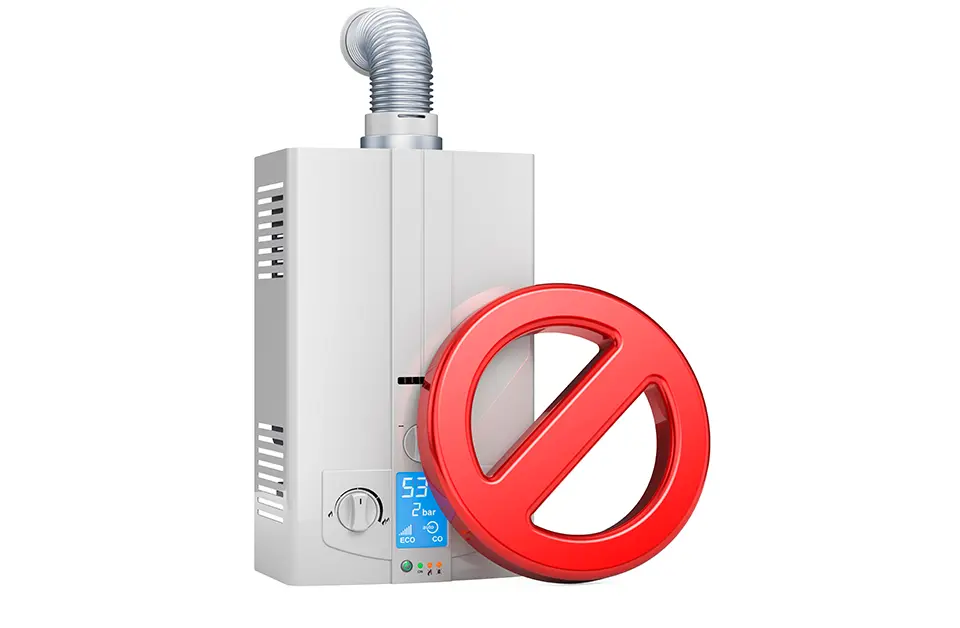
The gas boiler ban specifically prohibits the sale and installation of new gas boilers starting in 2035—meaning no more gas boilers for new builds or replacements after this date. However, homeowners with existing gas boilers can continue to use and maintain them after the ban.
Why Is the Ban Happening?
The heating systems in UK homes currently account for around 14% of the country’s carbon emissions, making it impossible to meet net-zero goals without a major shift in how we heat our homes. By moving away from gas boilers, the government hopes to significantly reduce carbon emissions while encouraging greener, more sustainable energy sources.
Who Will Be Impacted?
- New Builds: Developers will no longer be able to fit gas boilers in new homes. Alternative systems like heat pumps are being heavily encouraged.
- Existing Homes: There’s no requirement to replace your gas boiler immediately, but upgrading to a more sustainable system could save you money in the long run.
Now that you understand the basics of the ban, what are your options for heating your home efficiently post-2035?
Alternative Heating Solutions for UK Homes
With gas boilers being phased out, numerous alternative heating systems are being promoted as sustainable replacements. Here are the top options to consider.
- Heat Pumps (Air Source and Ground Source)
Heat pumps are gaining popularity as the top replacement for gas boilers. These systems extract heat from the air or ground, circulate it within your home, and are highly energy efficient.
Key Benefits
- Reduced carbon emissions.
- Lower long-term energy bills.
- Eligible for government grants like the Boiler Upgrade Scheme.
However, heat pumps can have higher upfront installation costs (around £7,000–£13,000) and work best in well-insulated homes.
- Hydrogen Boilers
Hydrogen boilers are still a developing technology, but they hold immense potential. These boilers use hydrogen gas instead of natural gas, producing only water as a by-product. While promising, hydrogen systems aren’t yet widely available, and wide-scale adoption may take several more years.
- Electric Boilers
For smaller homes or properties with limited outdoor space, electric boilers present a straightforward and space-saving solution. While they are fully compatible with the gas boiler ban, their running costs can be higher due to electricity prices.
- Other Renewable Heating Solutions
- Solar Thermal Panels: Use solar energy to heat water for your household needs.
- Biomass Boilers: Burn organic materials like wood pellets for heat.
All options come with pros and cons, so choosing the right solution requires careful consideration of your property’s needs, budget, and long-term goals.
Costs and Financial Support
The Cost of Switching a gas boiler to an alternative
The cost of replacing a gas boiler with a sustainable alternative can vary significantly based on the option you choose. Here’s a quick breakdown of typical upfront installation costs:
- Air Source Heat Pump: £7,000–£13,000.
- Ground Source Heat Pump: £13,000–£35,000.
- Electric Boiler: £1,500–£4,500.
These costs can feel daunting, but there are significant long-term savings associated with using more energy-efficient systems, particularly as energy costs continue to rise.
Government Grants and Incentives available for a switch
The UK government offers various schemes to help homeowners make the switch more affordable:
- Boiler Upgrade Scheme (BUS): Offers up to £5,000 for heat pump installations.
- Green Homes Grant (previous program): While now closed, it demonstrates the government’s commitment to funding sustainability initiatives.
Expert guidance is key to understanding which financial support options apply to you.
Why You Should Plan Ahead with a Boiler Upgrade
Beat the Last-Minute Rush
Waiting until 2035 to switch could mean higher costs and longer wait times for installations. Planning now lets you spread out costs and avoid the inevitable scramble for alternative systems closer to the deadline.
Increase Your Home’s Value
Energy-efficient homes are increasingly in demand among buyers and renters. Making the switch early could boost your property’s value and help attract future tenants or buyers.
Combat Rising Energy Costs
By upgrading to a greener system, your home could see substantial savings on energy bills, helping you offset upfront costs over time.
How GasMaster Can Help With Landlords and Homeowners Requiring a Boiler Upgrade
Switching to a future-proof heating system doesn’t have to be overwhelming. GasMaster UK specialises in guiding homeowners, landlords, and property developers in adapting to the gas boiler ban with ease.
Here’s how we can help you prepare:
- Expert Consultations: We assess your home’s heating needs and recommend the best sustainable alternative.
- Professional Installation: Our team provides seamless installation of heat pumps, electric boilers, or other systems suited to your property.
- Maximize Grants: We’ll help you access government incentives like the Boiler Upgrade Scheme to reduce your costs.
- Ongoing Support: From maintenance to troubleshooting, we’ll be by your side to ensure your system runs smoothly.
Book a free consultation today and get expert advice on preparing your home for a greener future.
Making the Switch to a Safer, Greener Future
The gas boiler ban is a pivotal step toward a more sustainable UK, and the time to prepare is now. By understanding your heating options, taking advantage of government incentives, and acting early, you can ensure your home meets the challenges of tomorrow with confidence.
Contact GasMaster UK today to explore your options and take the first step toward a greener, more energy-efficient home.